
More Prosperity, More Environmental Progress
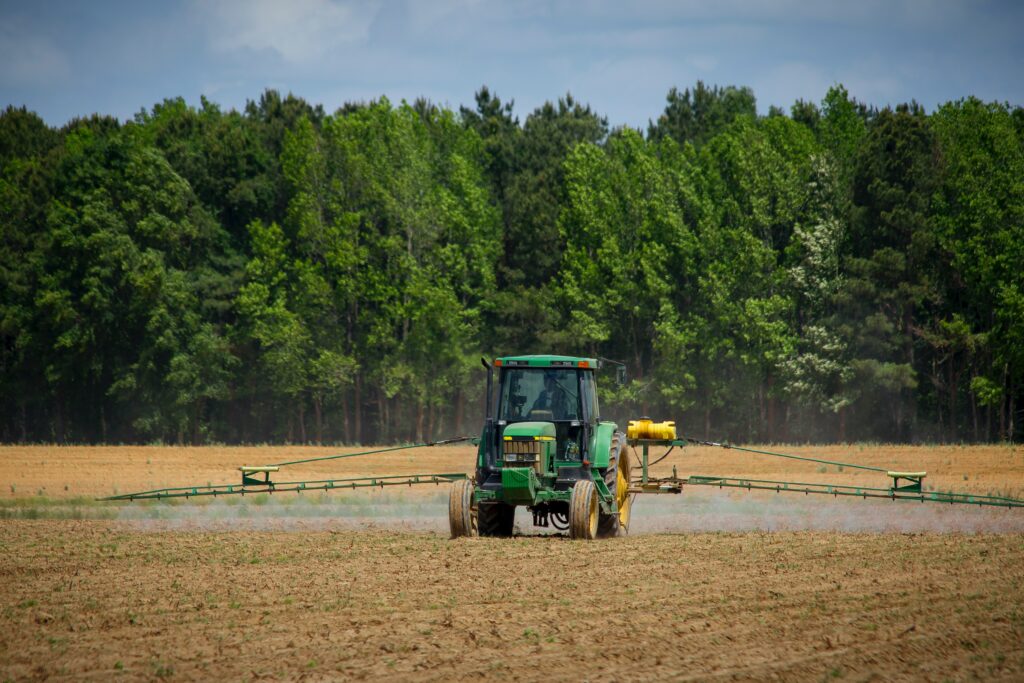
A primary explanation of why economic freedom has a positive correlation with other important human and societal quality metrics is because economically free countries have higher levels of economic growth and more investment. People are wealthier and poverty rates are lower.1 Higher levels of income are imperative to better environmental outcomes. After higher priorities like […]
Economic Freedom Breeds Innovation
Every day, people around the world innovate to make the world a better place. Whether it be breakthroughs in clean power generation, a new vaccine to combat illness, or artificial intelligence to improve business operations, technological advancements provide countless benefits to society and consumers. Whether those ideas start in someone’s garage or in a multi-billion-dollar […]
Economic Freedom Provides a Breath of Fresh, Clean Air for the World (Literally)
Air pollution is one of the highest causes of premature death in the world. It accounts for more fatalities than alcohol use, unsafe water, and unsafe sanitation, combined.1 The World Health Organization estimates that ambient air pollution and household air pollution cause 6.7 million premature deaths annually.2 Importantly, these mortalities disproportionately occur in the developing […]
Freer Economies Deliver Cleaner Water to Consumers
Access to clean water and sanitation are two fundamental human rights,1 yet billions of people around the world are living without them.2 In 2021, more than 2 billion people lived in water-stressed countries (defined as areas where demand for clean water outpaces supply either because supplies are insufficient or infrastructure is inadequate). In 2022, at […]
What does economic freedom mean for the climate?
When considering the effect of free economies on greenhouse gas emissions and climate resiliency, several factors come into play. In truth, the effectiveness of economic freedom on climate mitigation and adaptation will depend on which policy lever that increases or decreases economic freedom lawmakers use. More efficient tax policy or improving permitting processes could increase […]
For a Better Life and a Cleaner Environment, the World Needs Energy Access
While this report is largely an analysis of what policy principles improve the environment, an important undertone throughout the report is that economic freedom improves the human condition. Moreover, access to affordable, reliable energy is fundamental to bettering human lives. Dependable power heats homes for families and powers schools, hospitals, farms, and the industrial processes […]
Economic Freedom: For People, Prosperity, and the Planet
Open markets, rule of law, protected property rights, lower tax burdens, and regulatory efficiency are the economic conditions that empower people to live freely and prosper. Whether it be global poverty, human rights, health care access, doubling down on the policies and principles that empower people is the most promising strategy.
Candidate Climate Briefing Book

The climate change debate has been hijacked by political forces. It’s difficult to decipher what’s true in a polarized environment. Too often, we’re driven into partisan camps by media bent on sensationalism. But, we share more common ground than most think.
A Guide to Climate Science: Beyond Alarmism: Accurately Communicating Climate Risk is Essential for Good Policy
Key Takeaways Introduction When David Wallace-Wells published an essay on climate change for New York magazine in 2017, the prestigious journalist had a dire warning for the future of our planet: “It is, I promise, worse than you think.” In February 2019, he published a book called The Uninhabitable Earth. A mere ten months later, Wallace-Wells […]
Permitting Reform to Meet America’s Energy Needs and Environmental Goals
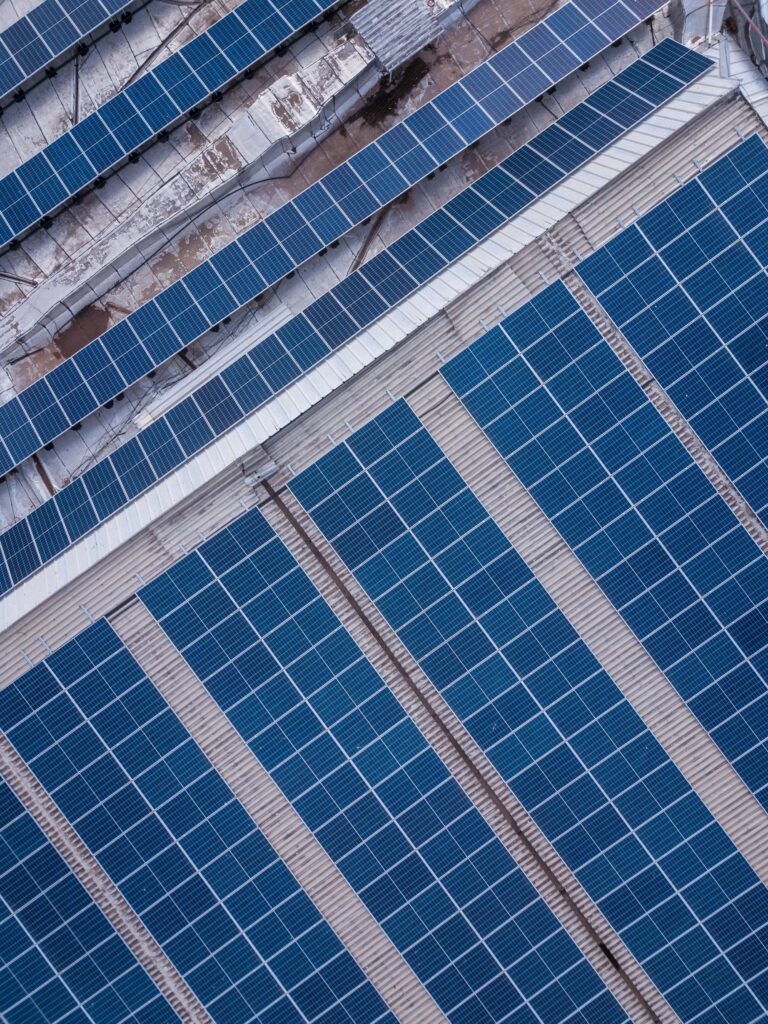
The Challenge: Cost reduction and rapid, wide-scale deployment are two things that must happen for America to meet its energy needs and environmental goals. However, permitting challenges and frivolous lawsuits increase costs and delay the implementation of a wide range of projects. At the federal level, the National Environmental Policy Act (NEPA) stalls projects, including […]